On This Page14
- 01Introduction: Your Reputation Is Being Judged Before You Ever Speak
- 02What Is Search Engine Reputation Management?
- 03Why Online Perception Matters So Much
- 04How Search Engine Reputation Management Works
- 05Controlling Perception Without Censorship
- 06Managing Negative Reviews and Feedback
- 07Suppressing Negative Search Results Ethically
- 08How Search Engine Reputation Management Builds Trust
- 09Reputation Management for Individuals vs Businesses
- 10What Search Engine Reputation Management Is Not
- 11How Long Does It Take to See Results?
- 12Why Ignoring Search Reputation Is Risky
- 13The Business Impact of Controlled Online Perception
- 14Conclusion: Perception Is Shaped by What Ranks, Not What’s True
Introduction: Your Reputation Is Being Judged Before You Ever Speak
Before a customer fills out a form, before a partner takes your call, before a recruiter schedules an interview, something else happens first.
They search your name.
What appears on page one of the search results quietly shapes trust, credibility, and expectation. A negative article, an outdated complaint, or a misleading review can influence perception long before you get a chance to explain.
This is where search engine reputation management becomes critical. It’s not about hiding the truth or manipulating search engines. It’s about actively shaping what people see first, ensuring that accurate, positive, and current information represents you or your brand.
This guide explains how search engine reputation management works, why it matters, and how it helps control online perception in a practical, ethical way.
What Is Search Engine Reputation Management?
Search engine reputation management (SERM) is the practice of monitoring, influencing, and improving how a person or brand appears in search engine results.
The focus is primarily on:
- Page one search results
- Brand and name-based queries
- High-visibility content such as reviews, articles, and profiles
Unlike traditional public relations, SERM operates directly within search engines, where perception is often formed instantly.
Why Online Perception Matters So Much
Search engines act as a credibility filter.
People tend to assume:
- Page one results are the most relevant and trustworthy
- Negative results must be important if they rank highly
- Silence or lack of information is suspicious
In reality, search results reflect algorithmic signals, not fairness or context. A single negative page can dominate perception simply because it’s well-optimized or old enough to have authority.
Search engine reputation management exists to correct that imbalance.
How Search Engine Reputation Management Works
SERM is not a single tactic. It’s a coordinated strategy built around visibility, relevance, and authority.
Monitoring What Appears in Search Results
The first step is understanding the current landscape.
This includes:
- Branded keyword searches
- Name-based queries
- Review platform visibility
- News articles and blog posts
- Social profiles ranking in search

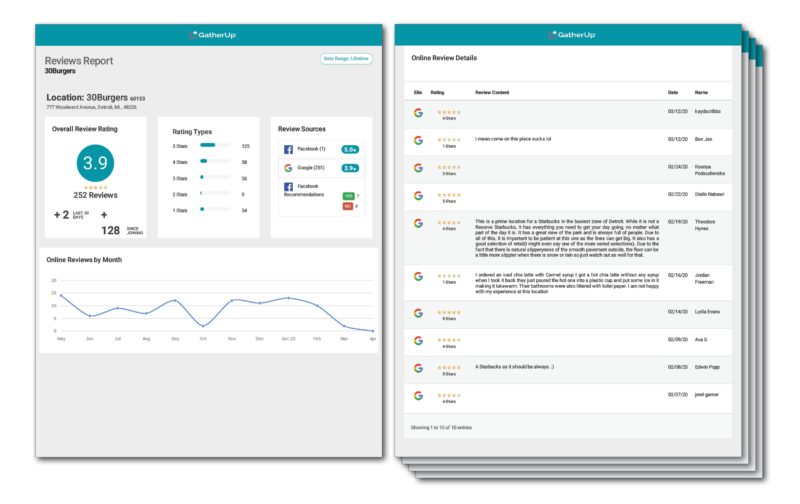
You can’t control perception if you don’t know what people are seeing. To track these variables efficiently across multiple search engines, companies tend to utilise online reputation management tools which are essential for gathering real-time alerts and aggregate data.
Identifying High-Risk Results
Not all negative content is equal.
Search engine reputation management prioritizes:
- Results ranking on page one
- Content with misleading or outdated information
- Highly visible reviews or headlines
- Pages with strong authority that dominate clicks
The goal is to focus effort where it actually changes perception.
Controlling Perception Without Censorship
A common misconception is that reputation management means removing content. In reality, removal is rare and often unnecessary.
SERM works by out-ranking and contextualizing, not erasing.
Publishing Positive, Authoritative Content
One of the most effective strategies is building high-quality content that search engines trust.
This includes:
- Optimized brand pages
- Thought leadership articles
- Press coverage and media mentions
- Professional profiles and directories
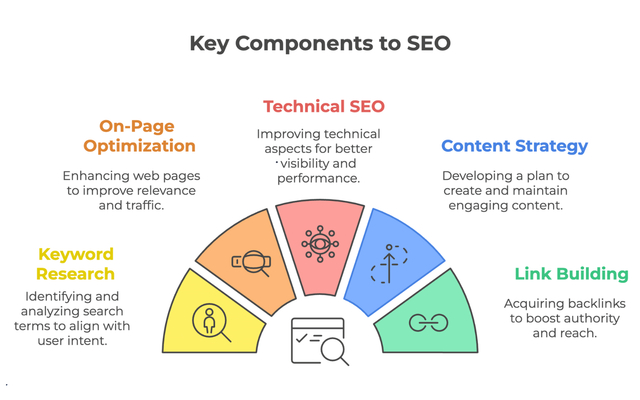

When strong, relevant content exists, it naturally pushes less favorable results lower.
Strengthening Owned Digital Assets
Owned assets are pages you control.
These include:
- Your website
- Blog content
- About pages
- Social media profiles
- Company listings
Search engine reputation management ensures these assets:
- Are properly optimized
- Target branded search terms
- Appear prominently in search results
Strong owned assets create stability and consistency in perception.
Leveraging Third-Party Credibility
Third-party sources carry weight.
Effective SERM strategies often involve:
- Industry publications
- Business directories
- Review platforms
- Professional networks


When respected third-party sites rank well, they reinforce trust and balance isolated negative content.
Managing Negative Reviews and Feedback
Reviews are one of the most influential elements of online perception.
Search engine reputation management does not focus on deleting bad reviews. Instead, it emphasizes:
- Encouraging authentic positive reviews
- Responding professionally to criticism
- Improving review platform visibility
- Ensuring review profiles rank above less relevant content
A mix of reviews looks more credible than a perfect score.
Suppressing Negative Search Results Ethically
Suppression is often misunderstood.
It does not mean manipulation. It means:
- Making positive content more relevant
- Increasing authority around accurate narratives
- Allowing algorithms to prioritize better information

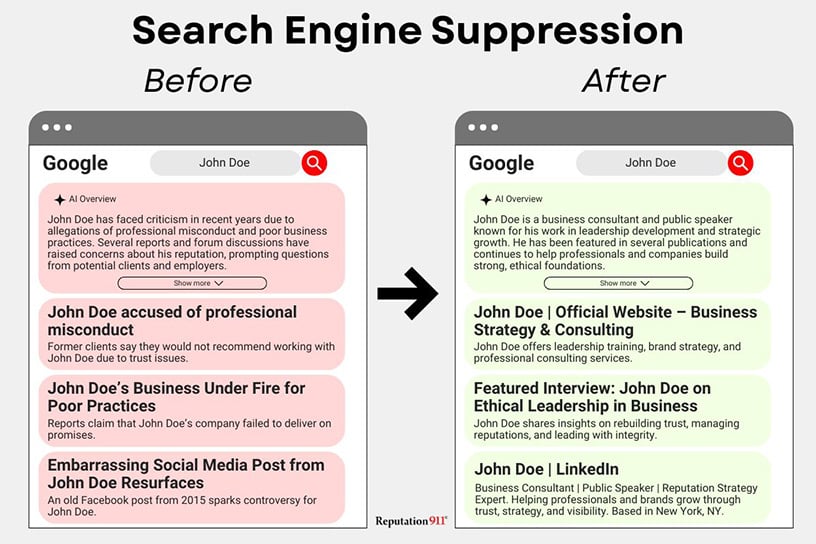
Over time, search engines reward consistency, relevance, and trust. Negative results lose visibility naturally when better alternatives exist.
How Search Engine Reputation Management Builds Trust
Trust is cumulative.
When users see:
- Consistent messaging
- Updated information
- Multiple credible sources
- Balanced reviews
They are more likely to:
- Give the benefit of the doubt
- Continue researching
- Engage directly
Search engine reputation management creates confidence through completeness, not perfection.
Reputation Management for Individuals vs Businesses
For Individuals
Common use cases include:
- Executives and leadership teams
- Job seekers
- Public figures
- Professionals with name-based searches
The focus is on:
- Personal branding
- Profile optimization
- Content control
For Businesses
Business-focused SERM prioritizes:
- Brand trust
- Customer confidence
- Crisis mitigation
- Review ecosystem management
Both rely on the same principles but differ in execution.
What Search Engine Reputation Management Is Not
It’s important to be clear.
SERM is not:
- Fake review generation
- Content removal guarantees
- Short-term damage control only
- Deceptive practices
Ethical reputation management aligns with search engine guidelines and focuses on long-term credibility.
How Long Does It Take to See Results?
Reputation management is not instant.
Typical timelines:
- Initial visibility improvements: 1–3 months
- Noticeable page one changes: 3–6 months
- Long-term stability: 6–12 months
Speed depends on:
- Competition
- Authority of negative content
- Volume of positive assets
Consistency matters more than speed.
Why Ignoring Search Reputation Is Risky
Doing nothing allows:
- Old or inaccurate content to dominate
- Competitors or critics to define the narrative
- One negative incident to overshadow years of work
Search engine reputation management is proactive, not reactive. It’s easier to maintain a positive presence than to rebuild one.
The Business Impact of Controlled Online Perception
Strong search perception leads to:
- Higher conversion rates
- Increased trust
- Shorter sales cycles
- Reduced friction in decision-making
People trust what they see first.
Conclusion: Perception Is Shaped by What Ranks, Not What’s True
Search engines don’t judge fairness or intent. They surface what appears most relevant and authoritative. That reality makes search engine reputation management essential for controlling online perception.
By strengthening positive narratives, improving visibility of trusted content, and reducing the impact of negative results, SERM helps ensure that search results reflect who you are today, not a single moment from the past.
If you want to take control of how your brand or name appears in search results, fill out our contact form or reach out to us today. We help organizations and individuals shape online perception with clarity, strategy, and integrity.
Meta Description:

