On This Page8
- 01What It Really Means to Monitor Search Engine Positions
- 02Why Traditional Rank Tracking Falls Short
- 03Core Metrics That Matter More Than Raw Rankings
- 04Tools to Monitor Search Engine Positions Effectively
- 05Strategies to Monitor Search Engine Positions That Matter
- 06Common Mistakes When Monitoring Search Engine Positions
- 07How Often Should You Monitor Search Engine Positions?
- 08Conclusion: Monitor What Drives Results, Not What Looks Good
Most SEO teams track rankings. Fewer teams track the right rankings. Even fewer know how to interpret them correctly.
It’s easy to pull a report, glance at position changes, and assume progress or failure. But modern search results are crowded with ads, featured snippets, AI answers, local packs, and zero-click experiences. In this environment, monitoring search engine positions without context is misleading.
What actually matters is not whether a keyword moved from position 8 to 6, but whether your content is visible, competitive, and driving meaningful outcomes.
This guide explains the tools and strategies that help you monitor search engine positions that actually matter, not just the ones that look good in a spreadsheet.
What It Really Means to Monitor Search Engine Positions
Monitoring search engine positions is not just tracking where a keyword ranks. It’s about understanding visibility, intent alignment, and opportunity.
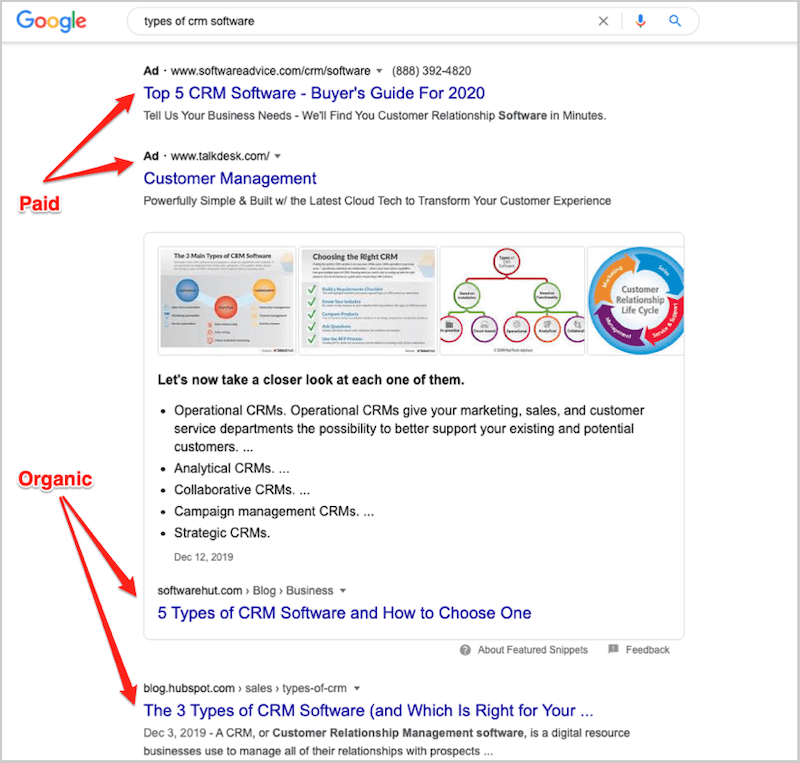
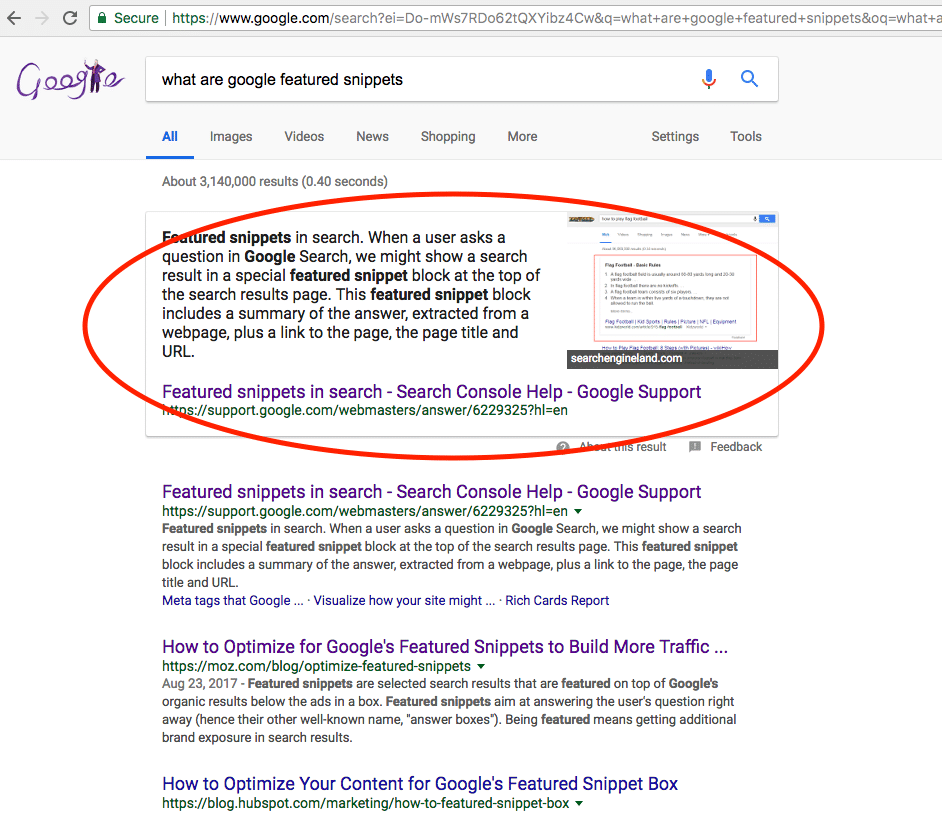
Effective position monitoring answers questions like:
- Are we visible where users actually click?
- Are we improving position for high-intent queries?
- Are competitors pushing us down the page?
- Are SERP features reducing our real visibility?
Position tracking without interpretation creates false confidence or unnecessary panic.
Why Traditional Rank Tracking Falls Short
Classic rank tracking focuses on:
- Average keyword position
- Day-to-day fluctuations
- Large keyword lists without prioritization
The problem is that modern SERPs are dynamic.

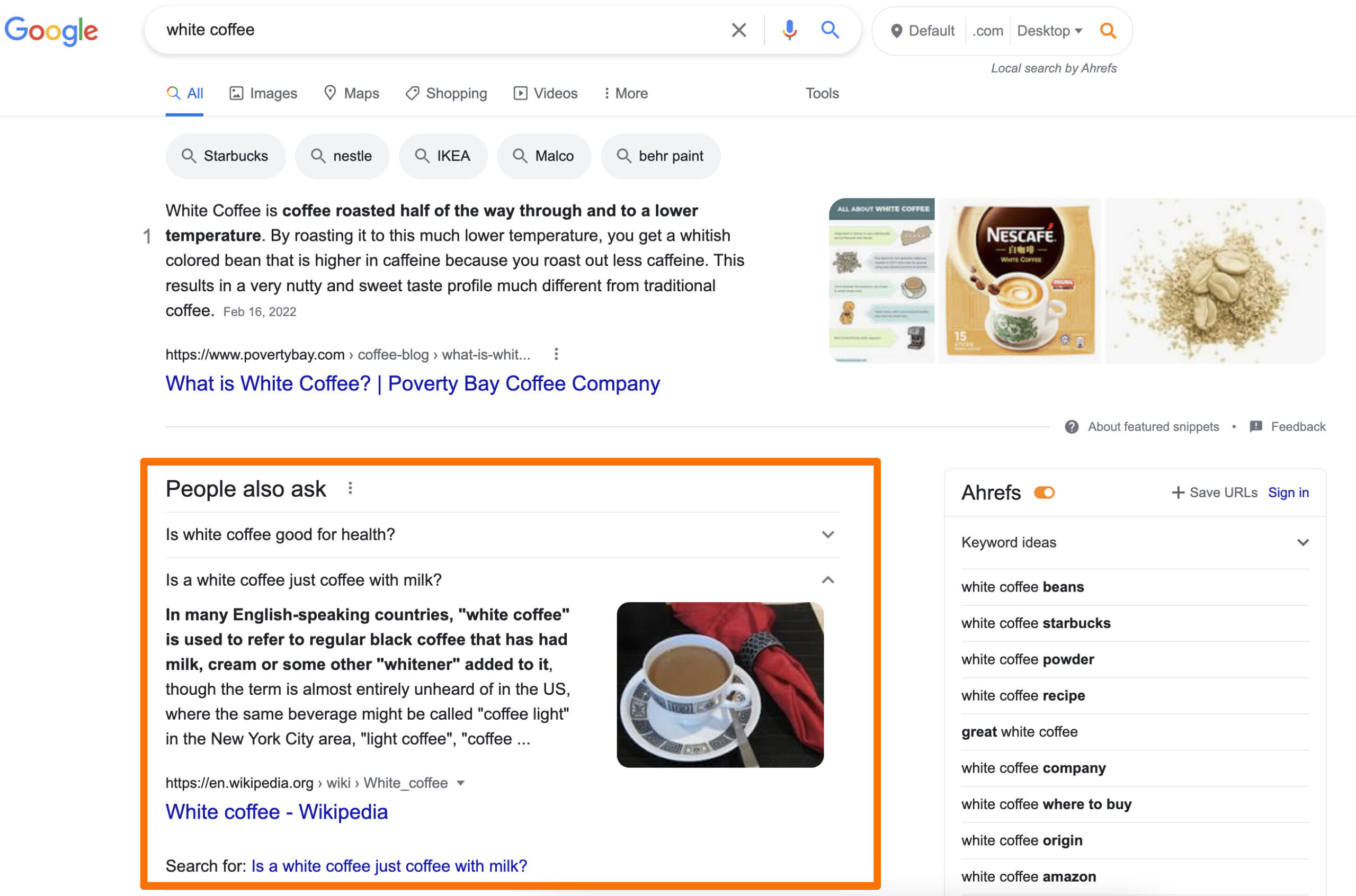
A #1 organic ranking can sit below multiple ads, featured snippets, or AI-generated results. That means position does not equal prominence. Research shows that 68% of people already trust AI search results at least as much as organic search results, so AI overviews will continue taking away from pages in the organic results.
Core Metrics That Matter More Than Raw Rankings
Before choosing tools, it’s important to know what you should be tracking.
Metrics that matter most:
- Above-the-fold visibility
- Presence in SERP features
- Click-through rate by position
- Competitive density
- Trend direction over time
Rankings are inputs. Visibility and outcomes are the goal.
Tools to Monitor Search Engine Positions Effectively
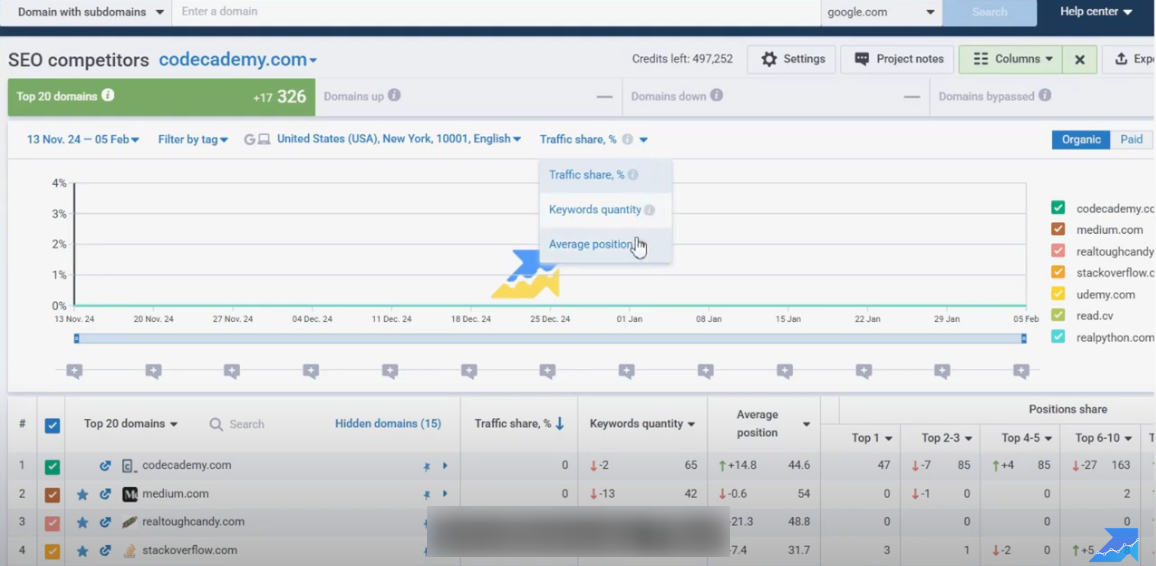
No single tool does everything. The strongest approach combines multiple data sources.
Rank Tracking Platforms
Rank trackers show position trends over time and across locations.
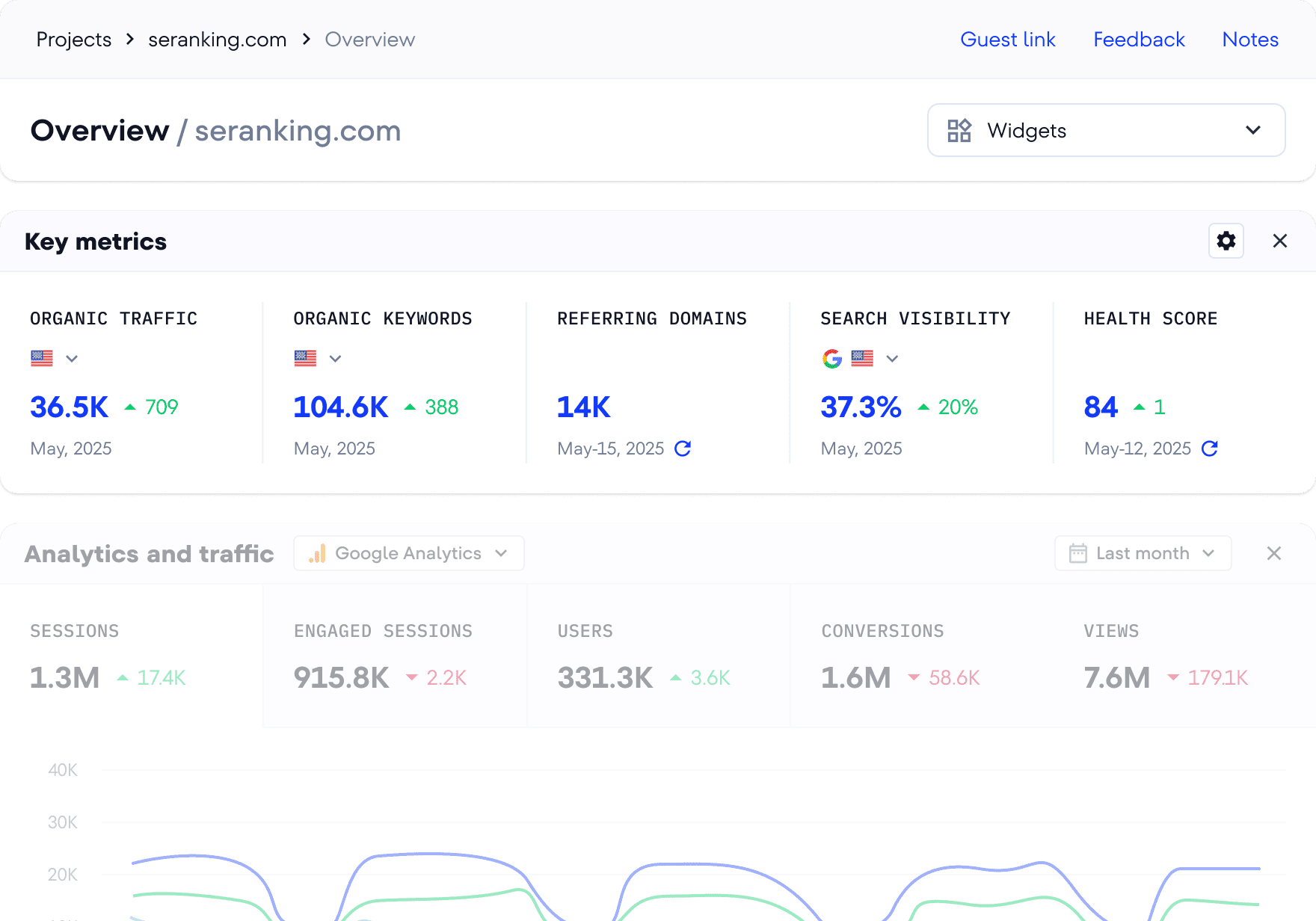

Use these tools to:
- Spot upward or downward trends
- Compare mobile vs desktop rankings
- Detect volatility across keyword groups
Avoid tracking thousands of keywords. Track keywords that represent real intent.
Google Search Console
Search Console shows how Google actually presents your site.
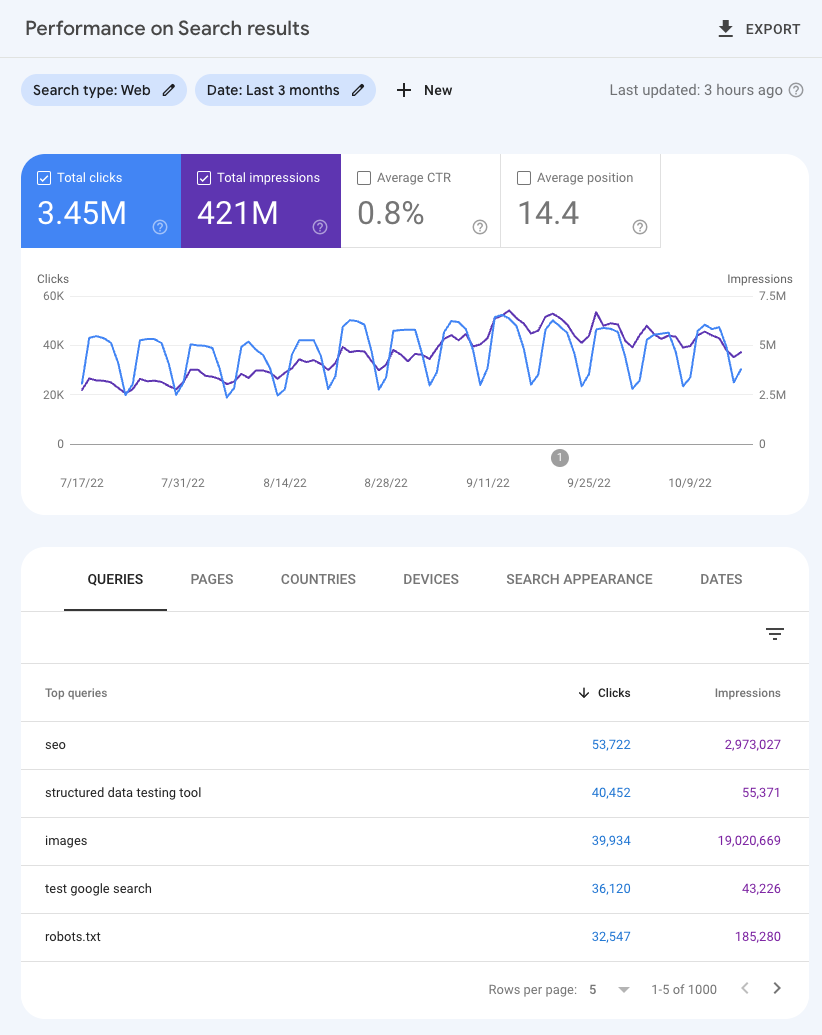
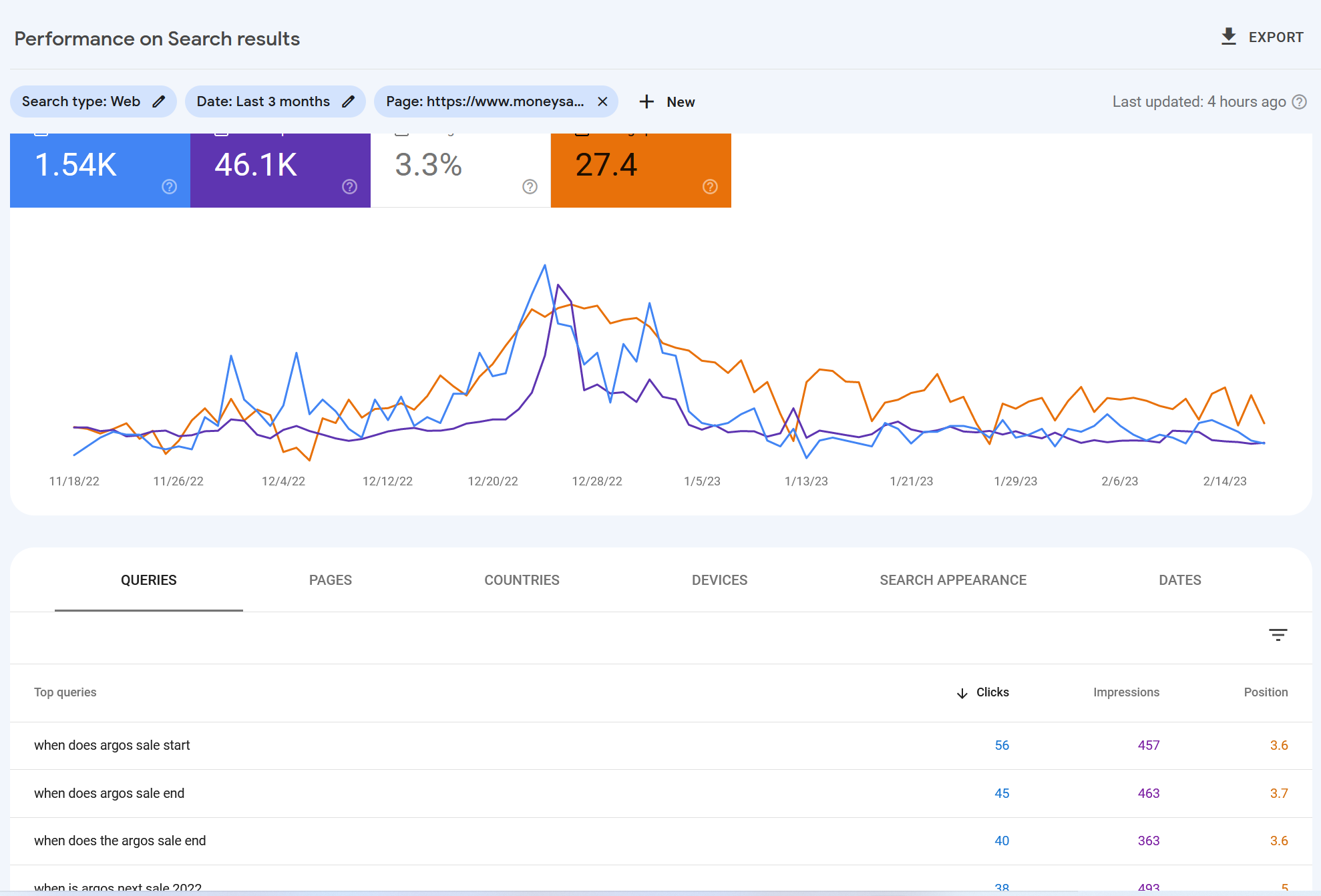
It reveals:
- Average position by query
- Impressions and clicks
- CTR relative to rank
- Performance by page
This context is often more valuable than exact rank numbers.
SERP Feature and Layout Monitoring Tools
Some tools focus on how the SERP itself is changing.
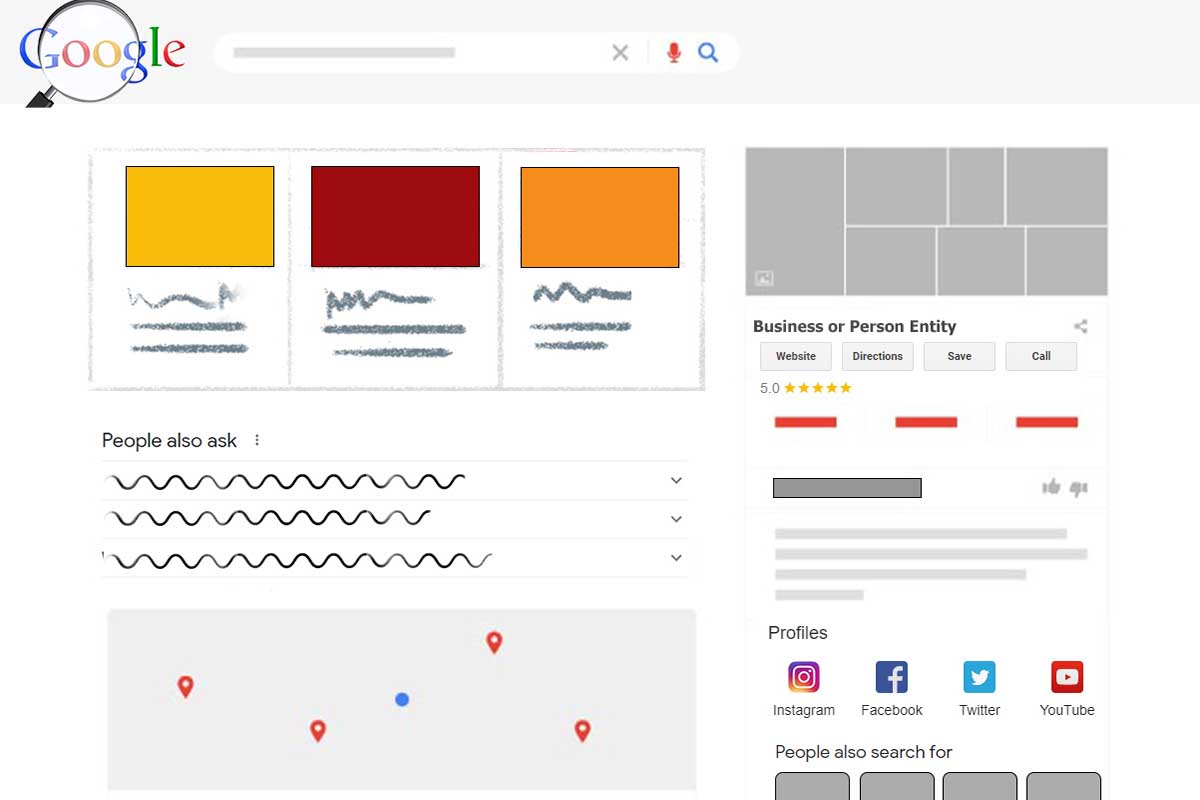
These tools help you understand:
- Why rankings improve but traffic does not
- When ads or features suppress organic clicks
- Where visibility is being lost or gained
Analytics Platforms
Position monitoring means nothing without outcome data.
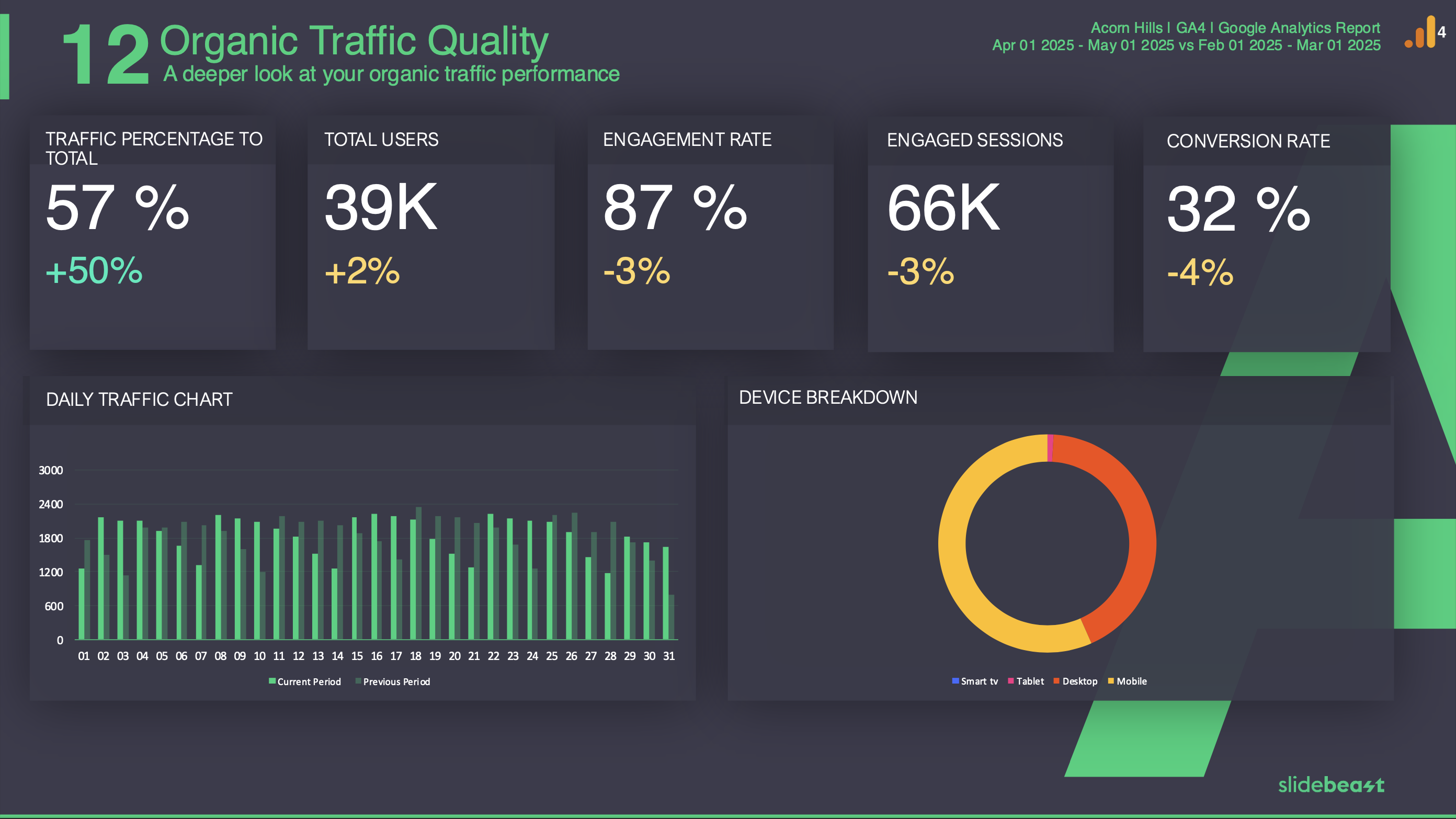
Analytics connects rankings to:
- Traffic quality
- Engagement
- Conversions
- Revenue impact
A keyword that ranks lower but converts better is more valuable.
Strategies to Monitor Search Engine Positions That Matter
1. Track Keywords by Intent, Not Volume
High-volume keywords often look attractive but underperform.
Focus on intent-based groups:
- Informational
- Commercial
- Transactional
- Local
- Branded
This ensures position improvements translate into results.
2. Focus on Position Ranges, Not Exact Numbers
Position ranges tell a clearer story.
- Positions 1–3: High visibility
- Positions 4–10: Optimization opportunity
- Positions 11–20: Growth candidates
Movement between ranges matters more than single-position changes.
3. Monitor Page-Level Performance
Keywords don’t rank. Pages do.

Page-level tracking reveals:
- Cannibalization issues
- Intent mismatch
- Consolidation opportunities
4. Track Competitors Alongside Your Own Rankings
Rank changes are relative.


Competitor tracking shows:
- Who is gaining visibility
- Where competition is intensifying
- Whether changes are market-wide or site-specific
5. Watch Trends, Not Daily Volatility
Daily fluctuations are normal.
Weekly and monthly trends reveal:
- Real momentum
- Impact of updates
- Results of optimization efforts
Reacting too quickly often causes more harm than good.
6. Monitor SERP Feature Ownership
Featured snippets and rich results often outperform higher rankings.
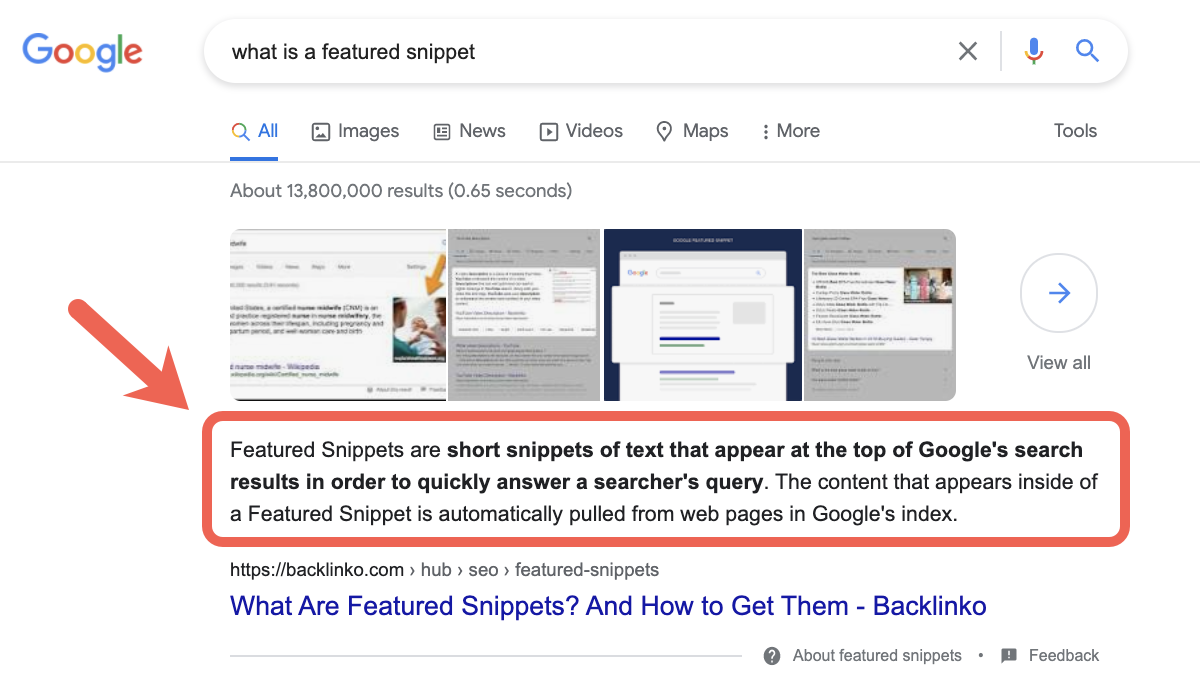

Track whether you:
- Gain or lose snippets
- Appear in FAQs or rich results
- Lose visibility to AI summaries
7. Segment by Location and Device
Search results vary widely.

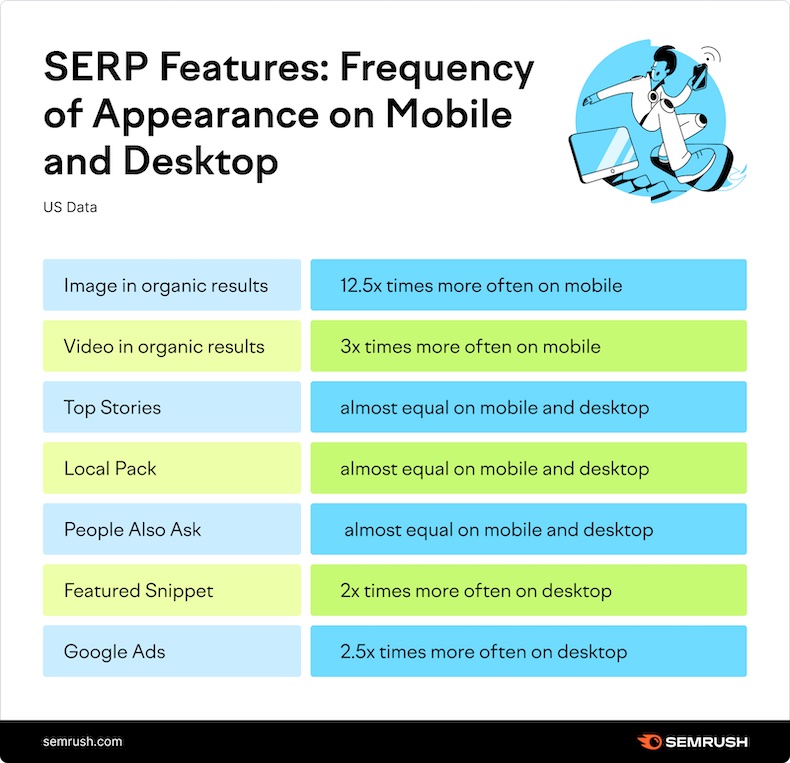
Always segment by:
- Geography
- Mobile vs desktop
- Language or region
Aggregate data hides real problems.
Common Mistakes When Monitoring Search Engine Positions
Frequent mistakes include:
- Tracking too many low-value keywords
- Obsessing over position 1
- Ignoring SERP layout changes
- Reporting rankings without actions
Position data should drive decisions, not just reports.
How Often Should You Monitor Search Engine Positions?
- Weekly for active SEO work
- Monthly for reporting
- Quarterly for strategy
Daily checks add stress, not insight.
Conclusion: Monitor What Drives Results, Not What Looks Good
Learning to monitor search engine positions that matter shifts SEO from vanity metrics to real performance. Visibility, intent, and outcomes matter more than raw rankings.
If you need help setting up smarter position monitoring, choosing the right tools, or translating ranking data into real growth decisions, fill out our contact form or reach out to us today. We help teams focus on rankings that actually move the business.

