On This Page14
- 01Introduction: What If Your Everyday Searches Could Do Some Good?
- 02What Is the GoodSearch Search Engine?
- 03How the GoodSearch Search Engine Works
- 04Does Using GoodSearch Cost Anything?
- 05How Much Do Charities Actually Receive?
- 06What Types of Organizations Can Benefit?
- 07Search Quality: How Good Are the Results?
- 08Is the GoodSearch Search Engine Safe?
- 09Privacy Considerations
- 10GoodSearch vs Mainstream Search Engines
- 11Who Should Consider Using GoodSearch?
- 12Common Misconceptions About GoodSearch
- 13The Bigger Picture: Small Actions at Scale
- 14Conclusion: A Search Engine With a Purpose
Introduction: What If Your Everyday Searches Could Do Some Good?
Most people search the web dozens of times a day without thinking twice. Looking up news, checking facts, researching products, or answering quick questions has become second nature.
Now imagine if those everyday searches could support a charity or cause you care about, without changing how you search or costing you anything.
That’s the idea behind the GoodSearch search engine. It promises to turn routine online activity into small but meaningful donations. But how does it actually work, and is it practical to use?
This guide explains what GoodSearch is, how it operates, where the donations come from, and whether it’s a realistic alternative to mainstream search engines.
What Is the GoodSearch Search Engine?
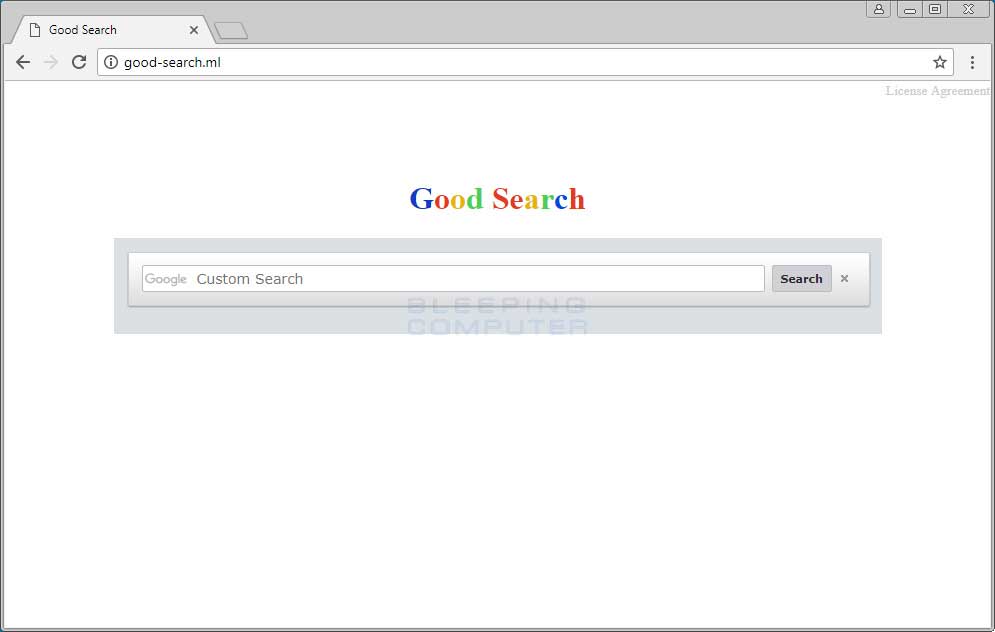
The GoodSearch search engine is a web search platform that donates a portion of its advertising revenue to charities and nonprofit organizations chosen by users. Its growing popularity among cause-driven audiences has made it a useful reference point for marketers studying nonprofit newsletter examples, since the same donors who support such platforms are often the ones subscribing to charity updates.
In simple terms:
- You search the web as usual
- Ads appear alongside search results
- Revenue from those ads is shared with a selected cause
GoodSearch positions itself as a socially responsible alternative to traditional search engines.
How the GoodSearch Search Engine Works
At a technical level, GoodSearch does not crawl and index the web on its own.
Instead, it:
- Uses results powered by Bing
- Adds its own interface and donation layer
- Shares ad revenue with registered charities
Here’s the process step by step.
Step 1: You Choose a Cause
When you start using GoodSearch, you select a charity, school, or nonprofit to support.
Options include:
- National charities
- Local organizations
- nonprofit newsletter examples
- Schools and community groups
You can usually change your supported cause at any time.
Step 2: You Search as Normal
You use GoodSearch just like any other search engine:
- Type a query
- Browse results
- Click links
Search results are powered by Bing, so relevance and structure are familiar.
Step 3: Ads Generate Revenue
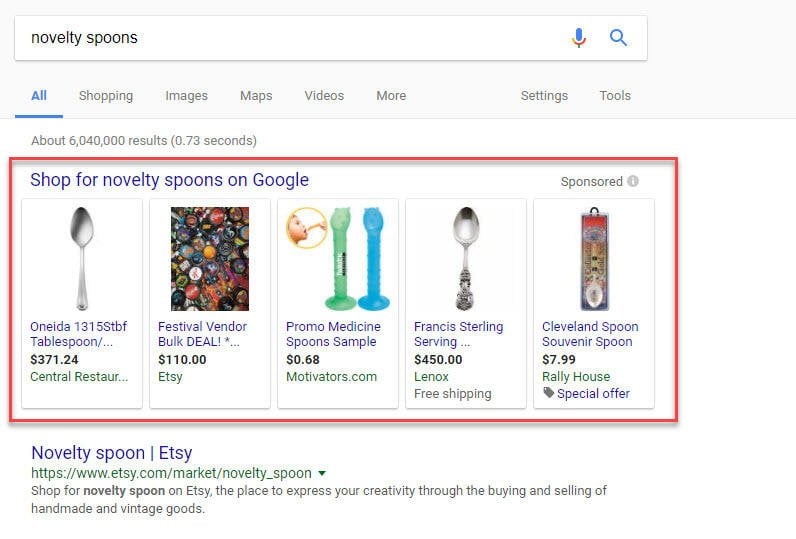
Ads appear alongside organic results, similar to other search engines.
When users:
- View ads
- Click ads
GoodSearch earns advertising revenue.
Step 4: Donations Are Distributed
A portion of that revenue is:
- Tracked
- Aggregated
- Donated to the charities supported by users
Donations are typically made periodically rather than instantly per search.

Does Using GoodSearch Cost Anything?
No.
For users:
- Searches are free
- There are no subscription fees
- You don’t donate money directly
The donation comes from advertising revenue, not from your pocket.
That’s part of GoodSearch’s appeal. It lowers the barrier to participation.
How Much Do Charities Actually Receive?
This is where expectations matter.
GoodSearch donations are:
- Small on a per-search basis
- Dependent on ad engagement
- Influenced by overall platform usage
A single user won’t generate large donations alone. The model relies on scale and collective activity.
It’s best viewed as:
- Supplemental support
- Passive contribution
- A long-term accumulation model
Not a replacement for direct donations.
What Types of Organizations Can Benefit?
GoodSearch supports a wide range of causes, including:
- Nonprofit organizations
- Schools and PTAs
- Environmental groups
- Health and medical charities
- Animal welfare organizations
Many smaller local groups benefit from visibility as much as donations.
Search Quality: How Good Are the Results?
Because GoodSearch uses Bing’s index, result quality is generally comparable to Bing.
That means:
- Solid coverage of mainstream queries
- Good performance for informational searches
- Adequate local results
However, users accustomed to Google may notice:
- Slight differences in ranking
- Different featured results
- Less aggressive personalization
Search quality is usable, but not identical to Google.


Is the GoodSearch Search Engine Safe?
From a technical standpoint, yes.
GoodSearch:
- Is a legitimate platform
- Uses mainstream search infrastructure
- Does not distribute malware
- Does not require risky downloads
As with any search engine, safety depends on:
- The sites you choose to visit
- Being cautious with ads and links
There’s nothing inherently unsafe about using GoodSearch.
Privacy Considerations
GoodSearch does collect data necessary to operate, such as:
- Search queries
- Ad interaction data
However, it does not position itself as a privacy-first search engine like DuckDuckGo.
If privacy is your top priority, GoodSearch may not be the best fit. If social impact is more important, it may be worth considering.
GoodSearch vs Mainstream Search Engines
Understanding the tradeoffs helps clarify expectations.
GoodSearch:
- Supports charities through ad revenue
- Uses Bing-powered results
- Offers a familiar but less personalized experience
Mainstream search engines:
- Focus on relevance, speed, and personalization
- Generate significantly more revenue
- Do not share ad revenue with causes by default
The choice is less about performance and more about values.
Who Should Consider Using GoodSearch?
GoodSearch is a good fit for users who:
- Want passive ways to support causes
- Are comfortable with Bing-quality results
- Don’t rely heavily on advanced search features
- Like aligning daily habits with social impact
It’s less ideal for users who:
- Require highly personalized results
- Depend on Google-specific tools
- Prioritize maximum search precision
Common Misconceptions About GoodSearch
“Every search donates a fixed amount.”
Not exactly. Donations depend on ad revenue.
“It replaces direct donations.”
It doesn’t. It complements them.
“It’s a charity itself.”
GoodSearch is a for-profit platform with a donation model.
“It controls search results.”
It does not. Results come from Bing.
Clarity prevents disappointment.
The Bigger Picture: Small Actions at Scale
GoodSearch reflects a broader trend in digital behavior: embedding social impact into everyday tools.
On its own, one user’s contribution is modest. Across thousands or millions of users, it becomes meaningful.
The value is not just financial. It’s about:
- Awareness
- Habit-building
- Lowering barriers to giving
Conclusion: A Search Engine With a Purpose
So, what is the GoodSearch search engine and how does it work?
It’s a search platform that uses Bing’s results and shares advertising revenue with charities chosen by users. It doesn’t cost money, doesn’t radically change how you search, and offers a simple way to support causes through routine activity.
It won’t replace donations or outperform every mainstream search engine, but it wasn’t designed to. It was designed to make doing a little good easier.
If you’re evaluating alternative search engines, social-impact technology, or tools that align digital habits with organizational values, fill out our contact form or reach out to us today. Understanding how these platforms work helps you choose tools that match both your needs and your principles.

