On This Page10
- 01Introduction: SEO Data Without Automation Is a Bottleneck
- 02What Is a Search Engine Rankings API?
- 03How a Search Engine Rankings API Works
- 04Why Search Engine Rankings APIs Matter
- 05Key Features to Look For in a Rankings API
- 06Common Use Cases for Rankings APIs
- 07Rankings API vs Traditional SEO Tools
- 08Challenges to Be Aware Of
- 09The Future of SEO Tracking
- 10Conclusion: From Manual Tracking to SEO Infrastructure
Introduction: SEO Data Without Automation Is a Bottleneck
Tracking keyword rankings used to be simple. A few keywords, a quick search, maybe a spreadsheet. But today’s SEO landscape is far more complex.
You’re dealing with:
- Hundreds or thousands of keywords
- Multiple locations and devices
- Constant ranking fluctuations
- Competitive pressure across markets
At this scale, manual tracking breaks down. That’s where a search engine rankings API comes in.
Instead of checking rankings manually, APIs allow you to automate, scale, and integrate ranking data directly into your systems. This guide explains how they work and why they’ve become essential for modern SEO operations.
What Is a Search Engine Rankings API?
A search engine rankings API is a service that allows you to programmatically retrieve keyword ranking data from search engines like Google or Bing.
Instead of logging into a dashboard, you:
- Send a request to the API
- Define your keyword, location, and device
- Receive structured ranking data (usually JSON)
This enables automated tracking at scale.
How a Search Engine Rankings API Works
At a high level, the process is straightforward, even if the underlying systems are complex.
Step 1: You Send a Request
Your system sends a request to the API with parameters such as:
- Keyword (e.g., “best CRM software”)
- Location (e.g., United States, New York)
- Device (desktop or mobile)
- Target domain
Step 2: The API Collects SERP Data
The API retrieves search engine results pages (SERPs) based on your request.
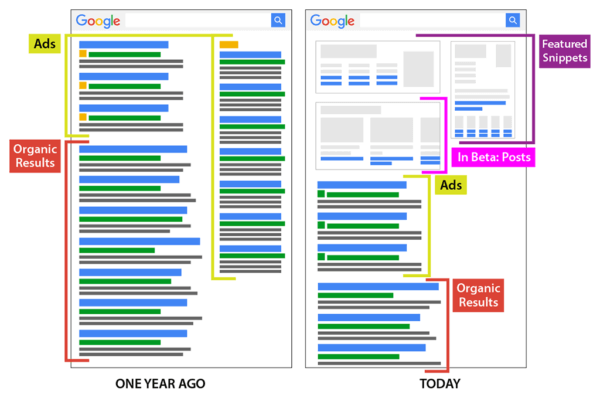
It captures:
- Organic rankings
- Paid ads (optional)
- SERP features (snippets, maps, etc.)
- Competitor positions
Step 3: Data Is Structured and Returned
The API sends back structured data including:
- Ranking position
- URL ranking
- Page title
- Competitor listings
- SERP features present
This data is typically returned in JSON format, ready for processing.
Step 4: You Store and Use the Data
Once received, your system can:
- Store rankings in a database
- Track changes over time
- Trigger alerts
- Feed dashboards or reports
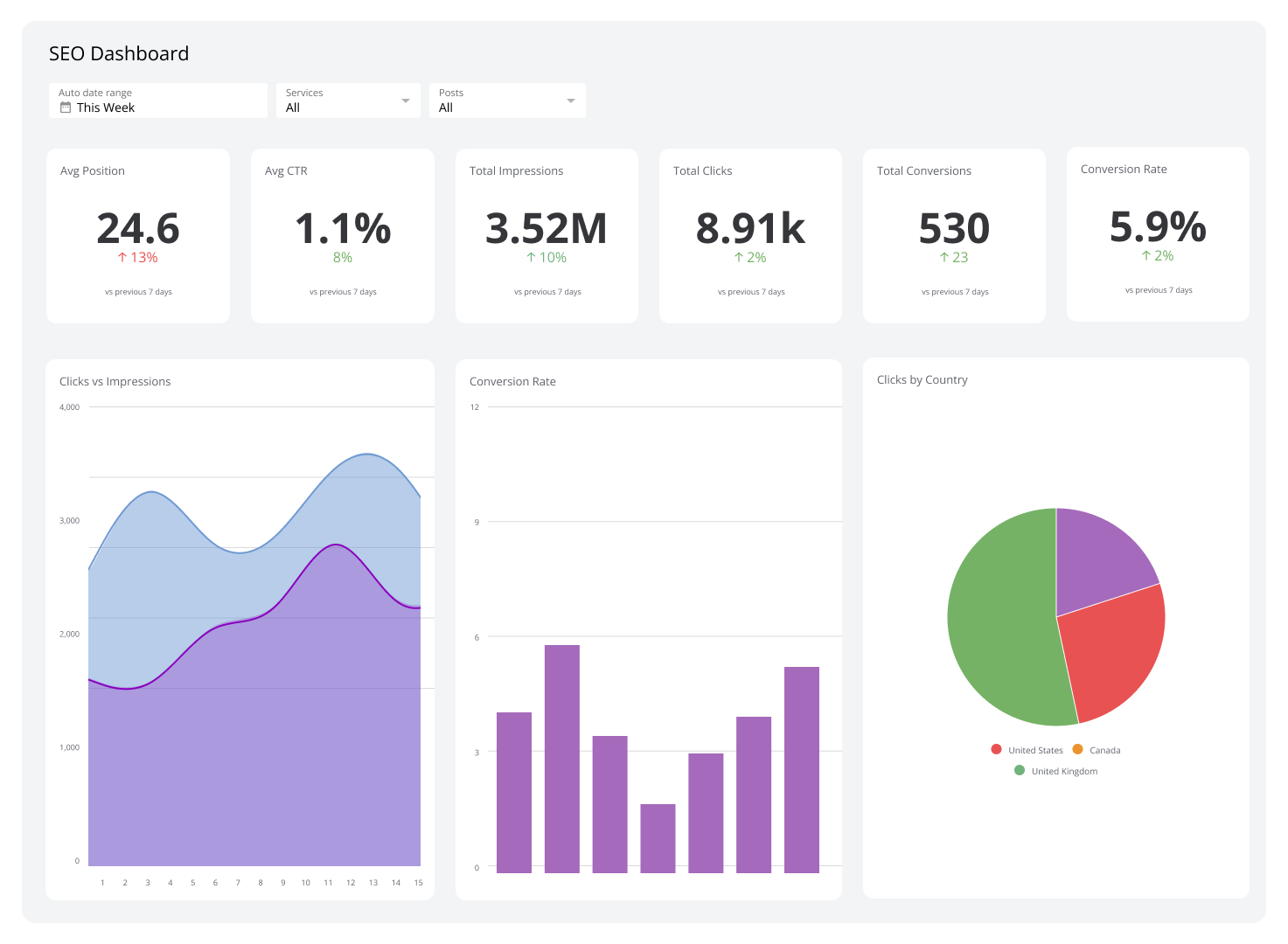

This is where automation creates real value.
Why Search Engine Rankings APIs Matter
1. Scalability
Manual tracking doesn’t scale.
APIs allow you to:
- Track thousands of keywords
- Monitor multiple countries
- Analyze device-specific rankings
- Handle large enterprise datasets
2. Automation
APIs eliminate repetitive work.
Instead of:
- Logging into tools
- Exporting reports
- Updating spreadsheets
You can:
- Schedule automated data pulls
- Update dashboards in real time
- Build continuous monitoring systems
3. Custom Reporting
With an API, you’re not limited to a predefined dashboard.
You can:
- Build custom SEO dashboards
- Integrate with BI tools
- Combine ranking data with traffic and revenue
This creates a single source of truth.
4. Real-Time Insights
APIs allow near real-time tracking.
This helps you:
- Detect ranking drops quickly
- Identify algorithm impact
- Respond faster than competitors
Speed matters in SEO.
5. Competitive Intelligence
A rankings API doesn’t just track your site.
It helps you:
- Monitor competitors
- Identify ranking gaps
- Track keyword overlap
- Analyze market movement
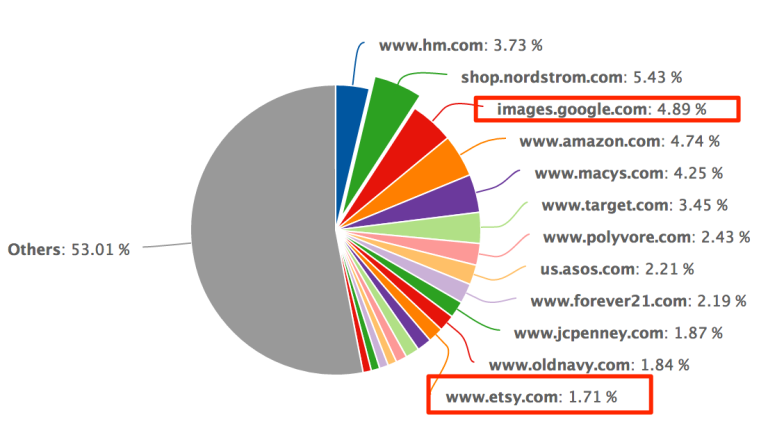
This turns SEO into a strategic advantage.
Key Features to Look For in a Rankings API
Not all APIs are equal. When evaluating options, look for:
Accurate Location Targeting
- Country, city, and region-level tracking
Device Segmentation
- Mobile vs desktop rankings
SERP Feature Tracking
- Featured snippets
- Local packs
- Knowledge panels
Data Freshness
- Daily or near real-time updates
Scalability
- Ability to handle large keyword sets
Reliable Infrastructure
- Consistent uptime and response speed
Common Use Cases for Rankings APIs
Agency Reporting
Agencies use APIs to:
- Automate client reports
- Track multiple accounts
- Deliver real-time dashboards
Enterprise SEO Monitoring
Large organizations use APIs for:
- Global keyword tracking
- Market segmentation
- Performance monitoring at scale
SaaS SEO Platforms
SEO tools themselves rely on APIs to:
- Power dashboards
- Deliver ranking insights
- Provide user-facing analytics
Internal Business Intelligence
Companies integrate ranking data into:
- Marketing dashboards
- Revenue tracking systems
- Executive reports
This connects SEO directly to business outcomes.
Rankings API vs Traditional SEO Tools
Traditional tools:
- Easy to use
- Limited customization
- Dashboard-based
APIs:
- Require setup
- Fully customizable
- Scalable and automated
The choice depends on your needs.
For small teams, tools may be enough.
For scaling operations, APIs become essential.
Challenges to Be Aware Of
Cost Management
Most APIs charge based on:
- Number of requests
- Keywords tracked
- Locations monitored
Efficient usage matters.
Data Interpretation
More data doesn’t mean better decisions.
You still need:
- Clear KPIs
- Trend analysis
- Business context
Technical Setup
APIs require:
- Development resources
- Integration planning
- Data storage solutions
However, the long-term efficiency outweighs the setup effort.
The Future of SEO Tracking
As search evolves with:
- AI-generated results
- Zero-click searches
- Dynamic SERP layouts
Rank tracking is becoming more complex.
Future-ready APIs will focus on:
- Visibility, not just position
- SERP real estate ownership
- Brand presence across features
The role of APIs will only grow.
Conclusion: From Manual Tracking to SEO Infrastructure
A search engine rankings API transforms SEO from a manual reporting task into a scalable, automated system.
It enables:
- Continuous monitoring
- Faster decision-making
- Deeper competitive insight
- Better alignment with business goals
If your SEO efforts are growing in scale or complexity, an API isn’t just helpful. It becomes necessary.
If you’re exploring rankings APIs or want help building automated SEO tracking systems, fill out our contact form or reach out to us today. We help teams turn raw data into structured, actionable intelligence.

